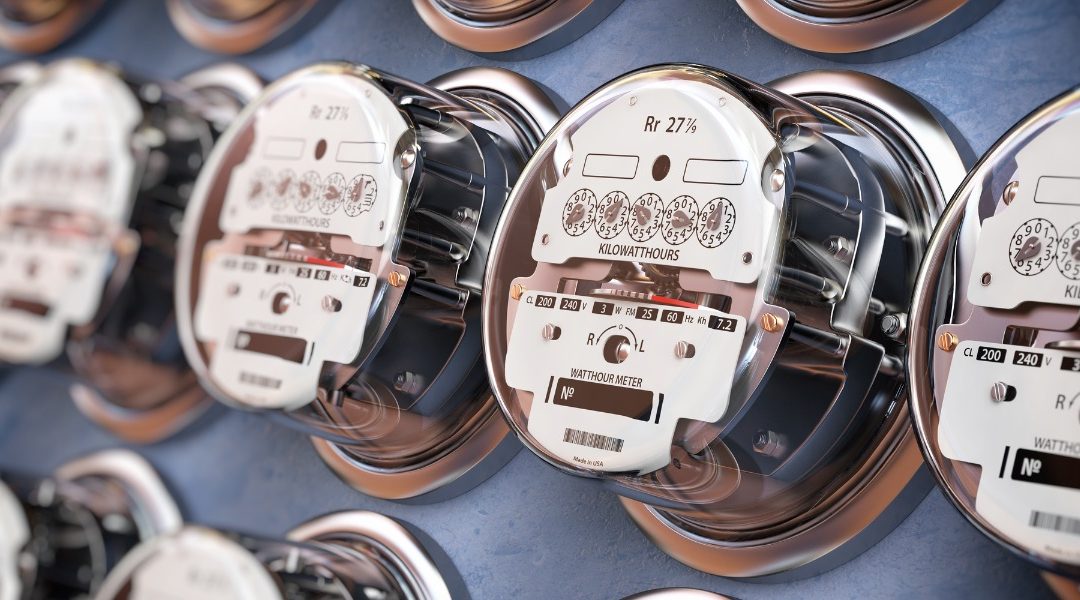
Illinois Commercial Electricity and Natural Gas Market
Introduction
Illinois is the sixth most populous state in the United States and home to one of the nation’s largest economies. Chicago anchors a diversified economic base that includes manufacturing, health care, finance, transportation, and technology. With more than one million businesses operating across the state, small enterprises make up roughly 98 percent of all Illinois businesses and employ almost 2.4 million people (about 46 percent of the workforce). These firms require reliable and competitively priced energy to power offices, factories, retail spaces and data centers. Because electricity and natural gas are major inputs for commercial operations, Illinois’ decision to deregulate both markets has profound implications for businesses seeking lower costs and greener options.
Prior to deregulation in the 1990s, investor‑owned utilities held monopolies over generation, transmission and distribution. Illinois’ vertically integrated utility structure left consumers with limited choice and some of the highest electricity rates in the country. Today, commercial customers can shop among dozens of alternative suppliers for electricity and natural gas, while distribution remains the responsibility of local utilities such as Ameren Illinois and Commonwealth Edison. This article provides a comprehensive overview of Illinois’ deregulated electricity and natural‑gas markets, including historical context, current pricing, energy sources, major utilities, plan options, benefits and challenges, policy landscape, efficiency initiatives and future outlook.
COMPARE COMMERCIAL ELECTRICITY SUPPLIERS - CLICK HERE
History of deregulation
The movement toward energy choice in Illinois dates back to 1995, when Larry D. Habb, president and chief executive officer of Illinois Power Company (the state’s second largest utility), publicly advocated for deregulation to give consumers more choice and reduce costs. High electricity prices were causing hardship for households and businesses, and policymakers began exploring ways to introduce competition. In 1997, state lawmakers passed the Illinois Electric Service Customer Choice and Rate Relief Law, launching deregulation for commercial and residential customers. However, implementation was phased in slowly. The initial law barred small customers from purchasing power from Alternative Retail Electric Suppliers (ARES), meaning that residential and small business customers still had to buy electricity from the utilities.
To protect households and small firms during the transition, the Illinois Commerce Commission froze electricity rates and imposed a 5 percent reduction as part of a “Mandatory Transition Period” that lasted ten years. Only after the transition ended in 2007 were electricity suppliers fully opened to residential consumers. The General Assembly passed the Illinois Power Agency Act, a $1 billion relief package designed to stabilize prices after the rate cap expired.
Energy choice expanded gradually. In 2002, residents and businesses were finally allowed to select an electricity retailer to provide their supply. Today, more than 52 alternative retail electric suppliers operate in the state. Illinois also deregulated natural gas supply under similar legislation, giving customers the option to purchase gas from licensed alternative gas suppliers. Deregulation separated the functions of generation and retail supply from the monopoly functions of transmission and distribution; local utilities remain responsible for delivering energy through their wires and pipelines, while competitive suppliers purchase wholesale energy and resell it to end‑users.
Current energy prices and comparison
The most tangible metric for evaluating deregulated markets is the price customers pay. Illinois commercial electricity rates averaged 12.86 ¢/kWh as of August 2025, about 5 percent lower than the U.S. average. Residential customers paid around 18.33 ¢/kWh, roughly 4 percent higher than the national average. Energy analysis shows that the lowest competitive rates vary by plan length but frequently fall between 9 ¢/kWh and 11 ¢/kWh for 12‑ to 36‑month contracts. Prices fluctuate based on wholesale market conditions, seasonality and plan type.
Natural gas prices are measured in dollars per thousand cubic feet (MCF). Although EnergyBot does not publish natural‑gas prices for Illinois, U.S. Energy Information Administration (EIA) data indicate that commercial gas prices averaged roughly $10–$11 per MCF in the Midwest in early 2025, with the residential price around $14 per MCF. These figures provide a benchmark for businesses evaluating dual‑fuel contracts. It is important to note that natural‑gas delivery fees—charged by utilities—remain regulated and vary by utility territory.
Energy generation mix and environmental policy
Illinois has one of the most diverse power portfolios in the nation and is the top nuclear generator in the United States. Six nuclear power plants with 11 reactors supply approximately 13 percent of the country’s nuclear generation. Nuclear energy accounts for roughly half of Illinois’ net electricity generation, providing a stable, low‑carbon base load. Natural gas and coal also play significant roles; however, coal’s share has declined markedly as older plants retire. Renewable energy—primarily wind in the central and northern regions—has grown steadily in response to state policies and falling technology costs.
Illinois participates in the Midwestern Regional Greenhouse Gas Reduction Accord, a regional initiative aimed at reducing greenhouse‑gas emissions. The state has also adopted a Renewable Portfolio Standard requiring utilities to procure increasing amounts of energy from renewable sources. Chicago and St. Louis metropolitan areas require reformulated gasoline blended with ethanol, reflecting broader environmental goals. Unlike states such as California, Illinois does not impose fuel economy standards on vehicles.
Local utilities and competitive suppliers
Utilities maintain and operate the poles, wires, pipelines and meters that deliver electricity and natural gas. In Illinois, the major electric utilities include Ameren Illinois, Cedar Point Light and Power, Central Illinois Light Company, Commonwealth Edison (ComEd), Electric Energy Inc., Illinois Power Company and Union Electric Company. Your local utility is determined by geography and remains your primary contact for outages and distribution charges. Natural‑gas utilities include Nicor Gas, Peoples Gas and Ameren Illinois.
Alternative suppliers purchase energy in bulk from the wholesale market and resell it to end users under a variety of plans. Competitive electricity providers operating in Illinois include Direct Energy, Entrust Energy, Public Power and dozens more. Many suppliers also offer natural‑gas contracts, enabling businesses to manage both commodities under a single agreement. Consumers must sign a supply agreement specifying the energy rate, contract term and other conditions such as early‑termination fees.
Types of plans and pricing structures
Illinois businesses and residents can choose from several types of electricity plans. The most common are:
- Fixed‑rate plans. Under a fixed‑rate plan, the price per kWh remains constant for the contract term (commonly 6, 12, 24 or 36 months), shielding customers from market volatility.
- Variable‑rate plans. Prices fluctuate monthly based on wholesale market conditions. These plans can offer savings when market prices fall but expose customers to price spikes.
- Time‑of‑use plans. Also known as peak/off‑peak plans, these charge lower rates during off‑peak hours and higher rates during peak demand periods. Businesses with flexible operations can lower costs by shifting usage to cheaper periods.
- Renewable or green energy plans. Some suppliers offer plans that source electricity from renewable resources such as wind or solar. These may carry a small premium but help companies meet sustainability goals.
Understanding the differences between plan types is essential. Fixed‑rate plans offer predictability and budget certainty, whereas variable and wholesale market plans can provide lower costs in some months but carry the risk of sudden price spikes. Prepaid plans (more common in Texas) are generally not offered in Illinois. When evaluating plans, businesses should consider load patterns, tolerance for risk and long‑term sustainability objectives.
Benefits of deregulation
The principal advantage of deregulation is consumer choice. By separating generation and supply from transmission and distribution, Illinois opened the market to competition and gave customers the ability to select suppliers based on price, contract terms, customer service or renewable content. Competition has led to some of the lowest electricity rates in the country. Businesses can negotiate custom agreements tailored to their usage profiles, and large enterprises may employ brokers or consultants to procure energy strategically.
Another benefit is innovation. Alternative suppliers have introduced creative products such as fixed‑price blocks combined with index pricing, 100 percent renewable energy plans, demand response programs and bundled energy efficiency services. Municipal aggregation—where local governments negotiate supply contracts on behalf of residents and small businesses is authorized under Section 1‑92 of the Illinois Power Agency Act. Aggregation allows communities to leverage their collective buying power to secure lower rates and incorporate higher shares of renewable energy.
COMPARE COMMERCIAL ELECTRICITY SUPPLIERS - CLICK HERE
Challenges and consumer protections
Despite its advantages, deregulation also introduces potential challenges. The complexity of comparing plans and understanding contract terms can overwhelm customers. Some suppliers impose early termination fees, minimum usage requirements or automatic renewal clauses. During periods of extreme weather or market disruption, wholesale electricity prices can spike, leading to unexpectedly high bills for customers on variable or indexed plans.
Illinois has implemented consumer protections to address these issues. Suppliers must be licensed by the Illinois Commerce Commission and comply with marketing and disclosure regulations. Customers have the right to rescind a contract within a short window after signing and to receive clear information about rates, fees and contract length. Municipalities that implement aggregation must hold public hearings and allow residents to opt out.
Energy efficiency and demand response
Lowering overall consumption is another route to cost savings. Illinois utilities and state agencies administer a suite of demand‑side management programs funded through utility rate surcharges. These include rebates for lighting and HVAC upgrades, incentives for high‑efficiency industrial equipment, building tune‑ups, retro‑commissioning and energy audits. The state’s Future Energy Jobs Act (FEJA) and subsequent legislation expanded funding for efficiency and required utilities to achieve energy‑savings targets each year. Participation in the Midwestern Regional Greenhouse Gas Reduction Accord reinforces commitments to reduce emissions and invest in clean energy.
Demand response programs provide payments to customers who reduce usage during peak demand events, helping stabilize the grid and avoid expensive capacity purchases. Industrial and large commercial customers can enroll in PJM’s demand response programs or utility‑specific load reduction initiatives. For small businesses, smart thermostats and controls enable automated demand response through utility platforms.
Natural‑gas market
Illinois’ natural‑gas market is also deregulated, giving customers the ability to purchase supply from alternative gas suppliers while the local utility—such as Nicor Gas or Peoples Gas—delivers the fuel and reads meters. Gas suppliers offer fixed, variable and indexed pricing options, often tied to NYMEX futures plus a basis charge. Contract terms can range from month‑to‑month to multiple years. Businesses that use both electricity and gas may negotiate dual‑fuel contracts with the same supplier for administrative simplicity.
Gas price volatility has been pronounced in recent years due to weather, infrastructure constraints and global demand for liquefied natural gas. Customers should examine contract language for pass‑through charges, storage fees and seasonal adjustments. Because natural‑gas supply competes with heating demands in winter, locking in rates ahead of the heating season can provide price certainty.
Policy landscape and future outlook
Illinois continues to refine its energy policies to address climate change, reliability and affordability. The Climate and Equitable Jobs Act passed in 2021 set the ambitious goal of reaching 100 percent clean energy by 2050. The law mandates the closure of private fossil‑fuel plants, expands renewable energy funding and invests in workforce development for clean‑energy jobs. Coupled with the nuclear fleet and growing wind and solar capacity, this puts Illinois on a path to decarbonize its grid while maintaining reliability.
The state is also exploring transportation electrification, with incentives for electric vehicle (EV) adoption and infrastructure. Businesses with fleets may benefit from time‑of‑use rates that offer cheaper charging during off‑peak hours. Community solar programs allow customers without suitable rooftops to subscribe to shared solar projects and receive bill credits. Ongoing policy debates center around the appropriate level of support for nuclear plants, distribution grid modernization and consumer protections in a rapidly evolving marketplace.
Conclusion
Illinois’ journey from monopoly utility supply to one of the country’s most competitive energy markets illustrates the transformative power of deregulation. Decades ago, high prices and lack of choice spurred policymakers to enact reforms; today, commercial customers can choose among dozens of suppliers, negotiate innovative contracts and select renewable options. While challenges remain—such as complexity, potential price volatility and the need for robust consumer protections—the benefits of competition are clear. Illinois has leveraged its extensive nuclear generation, growing renewable resources and active policy environment to offer businesses and households a broad array of energy choices. As the state pursues aggressive decarbonization goals and expands clean‑energy infrastructure, electricity and natural‑gas customers who stay informed and engaged will be well positioned to manage costs and support a sustain
Understanding Commercial Electricity Rates
In deregulated energy markets like Illinois, businesses have the power to choose their electricity supplier and plan instead of being limited to their local utility. Deregulation increases competition and helps businesses find better rates, flexible contract terms and product offerings that suit their unique needs. Suppliers compete to offer competitive rates, which encourages innovation and improved customer service. By shopping around for commercial energy supply, small and large businesses can reduce utility costs and tailor their energy plan to their operational requirements.
How Energy Deregulation Works
Energy deregulation separates the supply of electricity from its delivery. Utilities still own and maintain the transmission and distribution infrastructure, but they no longer control the price of the electricity itself. Instead, independent energy suppliers purchase electricity through wholesale markets and compete to sell it to businesses at competitive rates. This arrangement gives businesses the freedom to choose a supplier based on price, contract length, renewable options and customer service.
Comparing Business Electricity Rates
When comparing commercial electricity rates, it’s important to evaluate your business’s energy usage patterns. Factors such as peak demand, operating hours and seasonal variations influence which plan will be most cost‑effective. Many suppliers offer fixed‑rate plans that lock in a price per kilowatt‑hour for the duration of the contract, providing budget certainty. Variable‑rate plans may fluctuate with market conditions and can be advantageous when wholesale prices decline but risk higher costs when prices rise. Reviewing the contract term, early termination fees and any additional pass‑through charges helps businesses choose the plan that aligns with their financial goals.
Businesses should also consider the supplier’s track record, customer reviews and renewable energy offerings. Some providers supply electricity generated from wind, solar or other renewable sources, which may support sustainability goals and appeal to environmentally conscious clients.
Commercial vs. Residential Rates
Commercial electricity rates often differ from residential rates due to higher consumption levels and demand charges. Businesses typically use more energy during peak hours, which can result in additional charges based on their highest rate of usage during a billing cycle. Commercial rate structures may include demand charges, energy charges and service fees, whereas residential rates are usually simpler and charge a fixed price per kilowatt‑hour. By understanding these differences, businesses can better manage their consumption and negotiate more favorable terms with suppliers.
Tips for Managing Energy Costs
- Analyze your historical energy usage to identify peaks and trends. Reducing consumption during peak demand periods can lower demand charges.
- Implement energy‑efficient equipment and operational practices such as LED lighting, smart thermostats and automated controls.
- Consider longer contract terms when prices are favorable to lock in rates and provide budget stability.
- Review contract renewal options before the current contract expires to avoid automatically rolling into higher rates.
- Explore renewable energy plans and incentives that may reduce costs and support sustainability initiatives.
Where to Find Commercial Energy Providers
Several online marketplaces and energy brokers help businesses compare commercial electricity plans. Platforms like Bid On Energy allow users to enter their ZIP code and business details to receive customized quotes from multiple suppliers. These services simplify the process of finding competitive commercial electricity rates, provide educational resources and connect businesses with reputable energy suppliers.