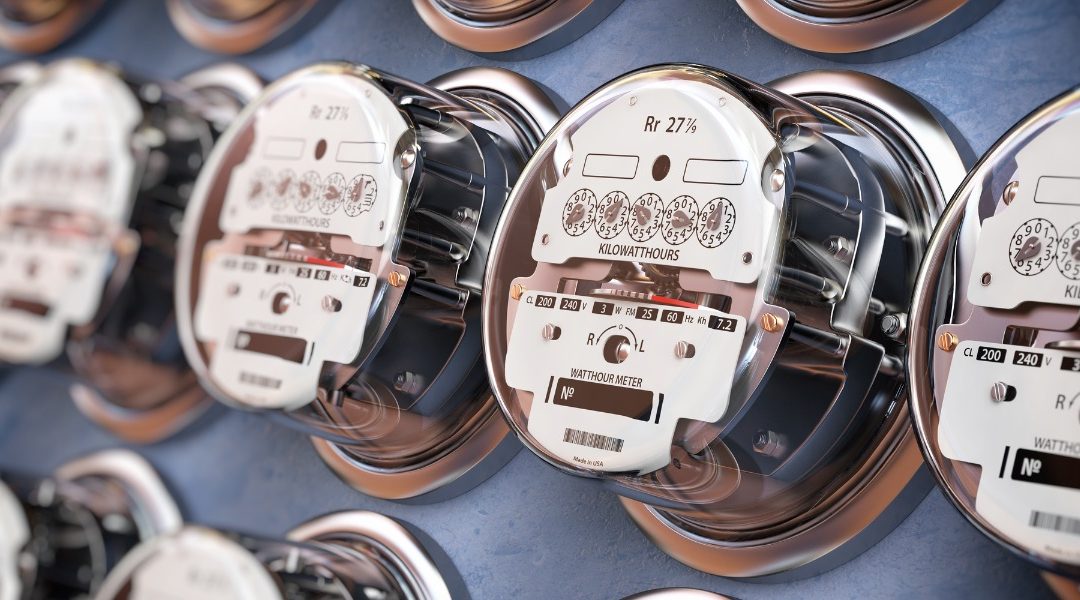
As the capital of Delaware and a regional hub for government, manufacturing and agriculture, Dover plays an outsized role in the state’s economy. From state agencies and hospitals to warehouses and food processors, the city’s businesses depend on reliable electricity to keep their operations running smoothly. While Delaware’s average commercial electricity rate—around 10 cents per kilowatt‑hour for a 12‑month fixed contract in mid‑2025—is lower than those in neighboring states like Maryland or New Jersey, energy still represents a major portion of operating costs. Fortunately, Delaware deregulated its electricity market in 1999, giving businesses the freedom to choose their electricity supplier and shop for competitive commercial rates.
Why commercial electricity rates matter
Electricity isn’t a fixed expense; it’s a lever businesses can use to improve profitability. Competitive rates allow Dover companies to:
- Lower overhead: Saving even half a cent per kilowatt‑hour can add up to thousands of dollars annually, money that can be redirected toward payroll, equipment upgrades or marketing.
- Remain competitive: Delaware’s proximity to larger markets like Philadelphia and Baltimore means local manufacturers and logistics firms compete with companies across the Mid‑Atlantic. Lower energy costs help keep pricing sharp.
- Plan ahead: Fixed‑rate contracts stabilize energy costs, protecting against market volatility and making budgeting easier.
- Support sustainability: Many suppliers offer renewable energy options, enabling businesses to meet environmental goals without sacrificing savings.
Understanding Delaware’s deregulated market
Delaware’s electricity market operates under a customer choice program. Delmarva Power is the primary utility serving Dover, responsible for delivering electricity and maintaining the grid. However, the generation portion of your bill—which accounts for roughly 60 % of total costs—can be supplied by a third‑party supplier of your choice. Suppliers compete by offering fixed or variable pricing, different contract lengths and renewable energy content.
Some of the major suppliers serving Dover include:
- Constellation Energy: Provides fixed‑rate contracts (12‑36 months) and often bundles renewable energy certificates. In 2025, small businesses in Delaware have reported offers around 9‑10 cents per kilowatt‑hour for a 12‑month term.
- Direct Energy Business: Offers a variety of products including fixed, market‑based and blended rate structures. They often run promotions for new customers.
- NRG Business Solutions: Known for customized plans and a strong focus on renewable energy options and sustainability programs.
- AEP Energy: Serves the Mid‑Atlantic with competitive fixed‑rate plans and the option to lock in multi‑year contracts.
- ENGIE Resources: Tailors solutions for larger commercial and industrial users, including block and index structures and demand‑response participation.
Because rates change frequently with wholesale market conditions, it’s important to obtain quotes from several suppliers and compare the total cost, including pass‑through charges for capacity and transmission.
How to shop for commercial electricity in Dover
- Collect your usage history: Compile the last 12 months of electricity usage (kWh) and peak demand (kW) from your Delmarva Power bills. Suppliers need this data to generate accurate quotes.
- Determine your priorities: Decide whether you prefer the price certainty of a fixed‑rate plan or are comfortable with some market fluctuation via an index product. Also think about contract term lengths, early termination fees and your organization’s energy requirements.
- Request multiple quotes: Reach out to at least three suppliers. Evaluate the all‑in rate, contract flexibility, early termination fees and renewable content.
- Check the fine print: Ensure the quoted rate includes capacity, transmission and other charges. Ask about any volume requirements or bandwidth clauses that could lead to penalties.
- Monitor market timing: Energy prices are influenced by natural gas costs, regional demand and seasonality. Working with a broker or consultant can help you identify opportune times to lock in a rate.
Benefits beyond savings
Shopping for electricity isn’t just about lowering your bill. Competitive contracts provide additional benefits:
- Budget confidence: Fixed‑rate agreements protect you from unexpected price spikes, making it easier to forecast expenses.
- Customized solutions: Suppliers can tailor products to match your load profile, whether you run a 24/7 manufacturing line or a seasonal tourist attraction.
- Renewable options: Many plans include renewable energy certificates sourced from regional wind or solar projects, supporting Delaware’s clean‑energy goals.
- Value‑added services: Some suppliers offer energy management dashboards, demand response programs that compensate you for reducing usage during peak demand and energy efficiency consultations.
Finding current rates
For the latest commercial electricity offers, consult the Delaware Public Service Commission’s supplier list or visit comparison websites that aggregate quotes from multiple providers. Suppliers like Constellation, Direct Energy and NRG Business publish sample rates on their sites, though your actual price will depend on usage and credit profile. Always benchmark third‑party offers against Delmarva Power’s standard offer service to ensure you’re getting a true discount.
Link back to the state page
To learn more about Delaware’s deregulated energy policies and explore natural gas options, visit our Delaware commercial electricity and natural gas page. It provides an overview of state regulations, utility contact information and tools to compare quotes from trusted suppliers.
Conclusion
Even though Delaware enjoys relatively moderate electricity prices compared with neighboring states, energy costs still impact the bottom line for businesses in Dover. Taking advantage of the state’s deregulated market allows companies to secure competitive commercial electricity rates, lock in budget certainty and access renewable energy options. By gathering your usage history, understanding your risk tolerance, requesting multiple quotes and timing your contract, you can find a plan tailored to your operational needs. Start exploring your options today, and put those energy savings to work growing your business in Delaware’s capital city.