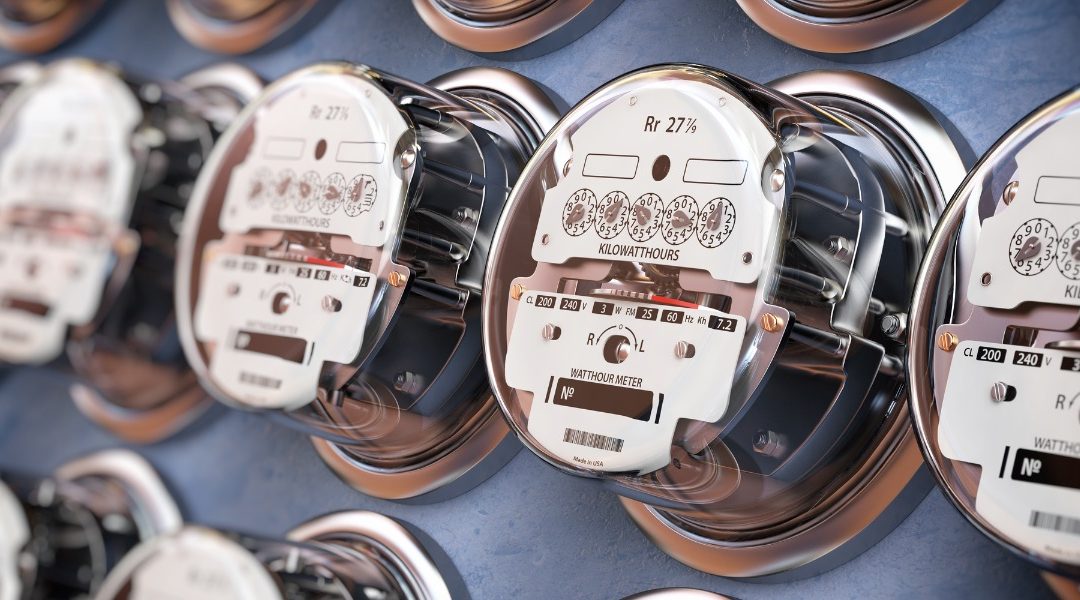
As New England’s largest city and the capital of Massachusetts, Boston anchors a metropolitan economy built on finance, technology, biotechnology, education, healthcare, and tourism. From glass towers in the Seaport District to historic brownstones in Beacon Hill, commercial activity pulses through this storied city. Electricity powers every corner of Boston’s economy—illuminating labs at MIT and the Longwood Medical Area, keeping servers humming in data centers, and providing a comfortable environment for diners on the Freedom Trail. In a climate where energy costs influence overhead, securing competitive electricity rates is critical for Boston’s diverse businesses.
Massachusetts’ Deregulated Energy Market and Average Rates
Massachusetts restructured its electricity market in 1998, separating generation supply from regulated distribution. Utilities such as Eversource and National Grid continue to deliver electricity and maintain poles and wires, but businesses can choose from dozens of competitive suppliers. Deregulation gives companies the ability to shop for price and product features instead of accepting the default “Basic Service” rate. This choice matters because Massachusetts has some of the highest electricity prices in the continental United States. According to Choose Energy’s May 2025 commercial electricity rate report, the state’s average commercial rate was 22.46 cents per kilowatt-hour【964246489631094†L398-L423】— well above the national average of 12.96 cents. Another dataset from PowerOutage.us shows that the typical business in Massachusetts pays about 20.68 cents per kWh and has a monthly bill of roughly $472.63【573918246380211†L164-L170】. These figures demonstrate that electricity is a major operating expense for Bay State companies.
The high cost stems from several factors: reliance on natural gas for generation, limited transmission infrastructure into New England, and aggressive renewable-energy targets that add compliance costs. On January 1, 2021, Massachusetts enacted a climate law requiring net-zero greenhouse-gas emissions by 2050 and setting intermediate targets such as 50% emissions reduction by 2030. To meet these goals, utilities must procure increasing amounts of offshore wind, solar and hydropower, and the costs are passed to consumers. While these policies drive innovation and environmental benefits, they also underscore why businesses should shop for competitive supply to control costs.
Why Boston Businesses Should Shop for Electricity
Securing competitive electricity rates offers multiple advantages:
- Budget certainty: Locking in a fixed rate protects companies from seasonal volatility and wholesale market spikes. In a deregulated state where default supply rates adjust every six months, a long-term contract can provide predictable budgeting.
- Potential cost savings: Competitive suppliers often offer rates several cents lower than utility basic service. Even a two-cent reduction can translate into thousands of dollars in annual savings for large facilities【573918246380211†L176-L180】.
- Product choice: Suppliers provide renewable energy plans, time-of-use products, and indexed pricing that can align with sustainability goals or load profiles.
- Value-added services: Many retailers bundle demand-response programs, energy-efficiency solutions, consumption analytics or bill consolidation, helping customers manage usage and reduce peak demand charges.
- Improved customer service: Suppliers compete for business and may offer dedicated account managers, customized reporting, and streamlined enrollment.
Major Suppliers and Sample Rates
Boston businesses can choose from a range of suppliers including Constellation, Direct Energy, Engie Resources, Dynegy, Just Energy, NextEra Energy Services, National Gas & Electric, First Point Power, Hudson Energy, and local municipal light plants. Rates vary by contract length, credit profile, and market conditions, but recent offers illustrate the potential savings. PowerOutage’s commercial rate comparison lists 3‑month fixed-rate plans around 9.24¢ to 10.08¢ per kWh from First Point Power and National Gas & Electric【573918246380211†L186-L214】. Longer terms of 12 months with NextEra Energy Services range from 12.21¢ to 12.37¢ per kWh【573918246380211†L231-L239】. These sample rates are substantially lower than the state average, highlighting the value of shopping. Larger customers can also negotiate bespoke quotes that incorporate wholesale market positions and demand-response incentives. When comparing offers, pay attention to early termination fees, pass-through charges for transmission or capacity, and whether the rate is fully fixed or contains components tied to indexes like the ISO New England capacity auction.
Steps to Shop for Commercial Electricity in Massachusetts
- Gather usage history: Compile at least 12 months of electricity bills to analyze your kilowatt-hour consumption and demand charges. Suppliers will use this information to calculate rates and structure offers.
- Define goals: Determine if your priority is the lowest price, budget stability, renewable content, or access to ancillary services such as demand management. Your goals will influence the term length and product type.
- Request quotes from multiple suppliers: Contact several retailers or use an energy broker to collect bids. Ask for options across different term lengths (e.g., 6, 12, 24, 36 months) to compare pricing curves.
- Review contract details: Examine language about pass-through charges, regulatory changes, bandwidth clauses (allowable usage swings), and early termination fees. Choose a contract that matches your risk tolerance.
- Monitor market conditions: Energy prices fluctuate with natural-gas supply, weather forecasts, and transmission congestion. Timing your procurement during shoulder seasons (spring or fall) can yield better rates.
- Track performance: After enrolling, monitor monthly bills to ensure the supplier is billing correctly and your usage assumptions still hold. Consider demand-response or efficiency programs to further reduce costs.
Benefits Beyond Lower Rates
Competitive procurement isn’t just about today’s price. It can support long-term strategic goals:
- Sustainability leadership: Many Boston companies—especially in technology, finance, and higher education—are committed to carbon reduction. Suppliers can provide 100% renewable energy sourced from wind or solar farms, renewable energy certificates (RECs), or even customized power purchase agreements (PPAs) that support new projects.
- Budget predictability for major projects: Institutions like universities, hospitals, and life-science labs operate facilities with high electric loads. Long-term power contracts help them forecast operating budgets and secure financing for expansions.
- Demand-response revenue: Participation in ISO New England’s demand-response programs can earn payments for curtailing load during peak periods. Some suppliers will manage this participation for customers.
- Access to analytics: Advanced metering and supplier portals provide insights into usage patterns, enabling targeted efficiency investments such as lighting upgrades, HVAC optimization, and process improvements.
- Community impact: Savings from a competitive supply contract can be reinvested in workforce development, student scholarships, or community outreach, amplifying the positive effect of responsible energy management.
Where to Find Current Commercial Rates and Market Information
For up-to-date pricing, consult resources such as:
- Massachusetts Department of Public Utilities’ Energy Switch (energyswitchma.gov), which lists current residential and small-business offers from licensed suppliers.
- PowerOutage.us for aggregated rate data and examples of the cheapest commercial plans, as cited above【573918246380211†L164-L170】【573918246380211†L186-L214】.
- Choose Energy’s business electricity rate report, which provides a monthly snapshot of average commercial rates by state【964246489631094†L398-L423】.
- ISO New England for wholesale market information and peak demand events.
- Energy brokers and consultants, who can access real-time wholesale quotes and negotiate on your behalf.
Industry Spotlights
Boston’s economy spans many sectors; each has unique energy profiles:
- Financial services and technology: Downtown high-rises and data centers operate 24/7, with sensitive equipment requiring constant power quality. These firms benefit from fixed-rate contracts and backup generation to ensure resilience.
- Biotechnology and healthcare: Lab freezers, clean rooms, and medical devices demand continuous electricity. Energy-intensive HVAC systems maintain precise temperature and humidity. Many institutions pair supply contracts with renewable-energy certificates to meet sustainability mandates from investors and accreditation bodies.
- Education and research: Universities and colleges run classroom buildings, dormitories, sports facilities, and research labs. Long-term energy agreements allow them to forecast tuition impacts and invest in campus sustainability initiatives like microgrids.
- Manufacturing and maritime trade: The Port of Boston and surrounding industrial parks operate heavy machinery and refrigerated warehouses. Load-flexibility programs and off-peak tariffs can reduce demand charges, while electrification of port equipment can lower emissions.
- Tourism and hospitality: Hotels, restaurants, and cultural attractions rely on lighting, air conditioning, and kitchen equipment. Competitive supply can lower overhead and enable investments in energy-efficient appliances and LED retrofits, improving guest comfort and brand reputation.
Regulatory Considerations and Cost Components
Understanding the components of your electric bill helps in evaluating supplier offers:
- Supply vs. delivery: Competitive suppliers provide only the energy portion of your bill, which is typically 40‑60% of total cost. Delivery charges from Eversource or National Grid remain regulated.
- Capacity and ancillary costs: ISO New England’s Forward Capacity Market and ancillary services ensure grid reliability. Suppliers may include these charges in their fixed rate or pass them through as separate line items.
- Renewable Portfolio Standard (RPS): Massachusetts’ RPS requires suppliers to source a percentage of energy from renewables, increasing annually. This cost is baked into default supply rates but can vary among competitive offers.
- Energy-efficiency charges: The state’s Mass Save program is funded through a small surcharge on customer bills. While mandatory, using a competitive supplier does not exempt businesses from paying this charge.
Emerging Trends in Massachusetts Energy
- Offshore wind development: Vineyard Wind 1 began construction in 2023 and is expected to deliver 800 MW of power by 2024. Additional projects like Mayflower Wind and SouthCoast Wind will bring thousands of megawatts online later this decade, potentially easing wholesale prices.
- Battery storage growth: Massachusetts leads New England in deployed battery capacity, enabling peak shaving and renewable integration. Businesses may partner with suppliers offering behind-the-meter storage solutions.
- Community solar and net metering: Companies without rooftop space can subscribe to community solar farms, receiving bill credits while supporting local clean energy.
- Time-of-use and dynamic pricing pilots: Utilities are exploring rates that vary by hour, rewarding customers for shifting consumption to periods of abundant renewable generation, such as midday solar peaks.
- Electrification incentives: Programs to electrify heating, transportation, and industrial processes may increase electricity consumption but lower total energy costs by reducing reliance on fossil fuels.
Conclusion
Boston’s innovation economy thrives on reliable, affordable electricity. Yet Massachusetts’ high average commercial rate of 22.46¢/kWh【964246489631094†L398-L423】 and typical business cost of 20.68¢/kWh【573918246380211†L164-L170】 mean that energy decisions carry significant financial implications. In a deregulated market, shopping for competitive supply empowers businesses to lower costs, manage budget volatility, and align energy procurement with sustainability goals. By gathering usage data, comparing quotes from reputable suppliers, scrutinizing contract terms, and leveraging demand-response programs, Boston companies—from life‑science laboratories and fintech startups to hotels and universities—can transform electricity from a fixed overhead expense into a strategic advantage. For more information on statewide deregulation policies, suppliers and market resources, visit our Massachusetts commercial electricity and natural gas page for comprehensive insights and guidance.
For more information, visit our Massachusetts commercial electricity and natural gas page.