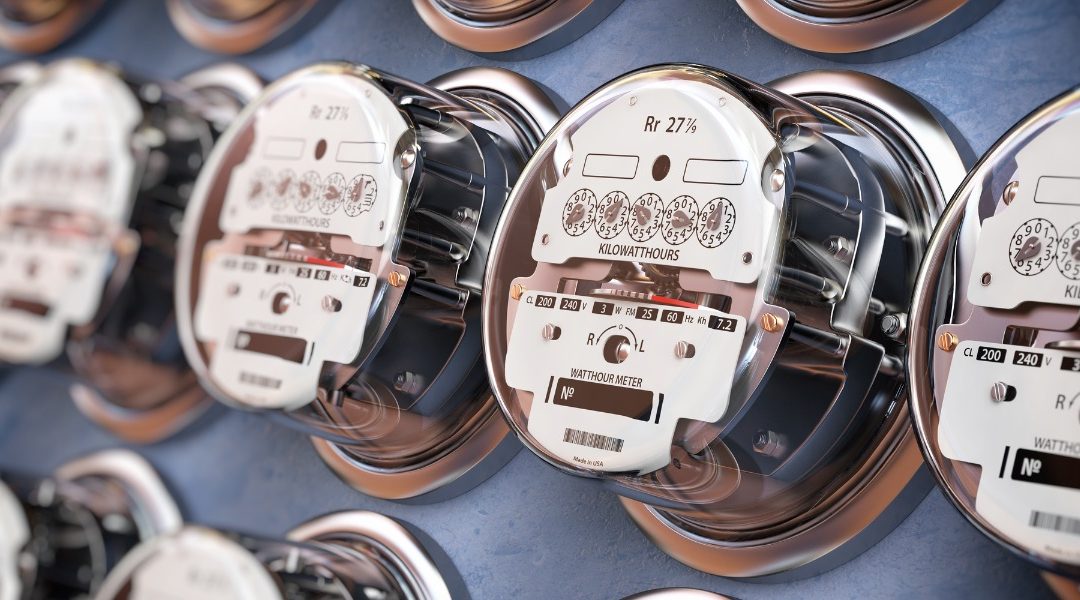
Annapolis sits on the Chesapeake Bay and is home to the Maryland State House, the U.S. Naval Academy and a vibrant waterfront that draws visitors from around the world. As the state capital, its economy revolves around government, defense, education and tourism, but it also includes a growing network of professional services, retailers and marine-related manufacturing. Whether you operate a seafood restaurant on Main Street, a boatyard across Spa Creek or an office supporting federal contracts, electricity is an indispensable input. Lights, heating and cooling, refrigeration, IT systems and specialized equipment all depend on reliable electric power. Because energy costs flow straight to the bottom line, securing the most competitive commercial electricity rate is one of the simplest ways Annapolis businesses can protect margins, invest in growth and support sustainability goals.
Maryland’s Deregulated Electricity Market
In 1999 Maryland restructured its electricity market to separate generation from transmission and distribution. That restructuring gave businesses and households the ability to buy electricity supply from licensed competitive electric suppliers while leaving delivery service in the hands of traditional utilities. Today customers in BGE’s territory as well as those served by Pepco, Delmarva Power and Potomac Edison can shop among dozens of suppliers for fixed-rate, variable-rate or renewable energy plans. The state’s Public Service Commission (PSC) oversees the market, licenses suppliers and maintains the standard offer service (SOS) for customers who choose not to shop. The average Maryland commercial electricity rate was about 14.82 cents per kilowatt-hour in August 2025—around 8 % higher than the national average. By comparing offers and timing contract renewals, many businesses can secure rates well below the SOS and lock in budget certainty.
Why Shopping for Electricity Matters in Annapolis
Electricity accounts for a significant portion of operating expenses for many Annapolis organizations. Reducing your per‑kilowatt‑hour cost by even half a cent can translate into thousands of dollars in annual savings. Beyond raw cost reductions, competitive procurement offers several advantages:
- Budget stability – Fixed‑rate contracts shield your business from fuel price spikes, seasonal peaks and unexpected rate increases. This predictability simplifies budgeting and pricing decisions.
- Renewable energy options – Many suppliers offer green plans that source electricity from wind, solar or low‑impact hydro. Choosing renewable supply helps you meet corporate sustainability goals and appeal to eco‑conscious customers.
- Customized terms – Suppliers can tailor contract lengths and structures to match your priorities. You might align a two‑year term with a lease expiration, choose a blend of fixed and index pricing, or add on demand‑response participation.
- Value‑added services – Some suppliers bundle analytics, energy‑management software or efficiency audits that help you identify waste and qualify for rebates.
- Enhanced customer service – Competitive suppliers often provide dedicated account managers and more responsive support than the incumbent utility.
In an environment where commercial rates average 14–15 cents per kWh, these benefits can make a meaningful difference in profitability.
Major Suppliers Serving Annapolis and Sample Rates
The deregulated market has attracted numerous suppliers offering a range of plans. While actual quotes depend on load profile, contract term and market conditions, the following examples illustrate typical offerings as of mid‑2025:
- Constellation – A subsidiary of Baltimore‑based Exelon, Constellation markets fixed‑price contracts from 12 to 36 months with rates generally ranging from 11 to 12 cents/kWh for small and medium‑sized businesses. Renewable options and demand‑response programs are also available.
- Direct Energy – Direct Energy provides 12‑month plans near 11 cents/kWh and offers web‑based tools for usage analytics and bill management. Renewable plans sourced from wind farms are popular among schools and nonprofits.
- ENGIE Resources – ENGIE sells customized fixed contracts and “block and index” structures for larger commercial accounts. Rates typically fall between 9 and 11 cents/kWh depending on contract length and renewable content.
- NRG Business Solutions – NRG offers one‑ and two‑year plans priced around 11–12 cents/kWh and features 100 % renewable options sourced from regional solar and wind projects.
- WGL Energy – WGL, the competitive arm of Washington Gas, markets fixed‑price renewable plans to customers in Pepco and BGE territories. Pricing starts around 10 cents/kWh for terms of 12 months.
- Champion Energy Services – Champion supplies fixed‑rate contracts and hybrid plans with both fixed and index components. Rates in August 2025 ranged from 10.5 to 12 cents/kWh for 24‑month terms.
- Reliant and other national suppliers – Reliant, Vistra, Hudson Energy and others also serve Annapolis, offering multi‑year plans and renewable bundles.
EnergyBot’s rate comparison tool showed that six‑month commercial plans in Maryland averaged about 13.64 cents/kWh, with the lowest offers around 10.98 cents/kWh. Twelve‑month plans averaged 13.35 cents/kWh, with low offers near 11.21 cents/kWh. Securing a rate toward the lower end of these ranges can shave several percentage points off your energy spend.
Steps to Shop for Commercial Electricity in Maryland
- Gather your usage data. Collect at least 12 months of utility bills showing kilowatt‑hour consumption and demand peaks. Larger customers may need 15‑minute interval data from the utility’s portal. An accurate load profile helps suppliers price your contract.
- Define your priorities and risk tolerance. Decide whether price certainty, renewable energy content, contract flexibility or demand‑response revenue are most important. Consider how long you plan to occupy your facility and whether your load will increase or decrease.
- Request quotes from multiple suppliers. Provide identical usage data and contract specifications to several suppliers (or an energy broker) so you can compare apples to apples. Ask for both fixed‑price and index‑based options if you’re open to some market exposure.
- Evaluate contract language. Examine clauses related to early termination, bandwidth (usage deviation), material change, pass‑through charges and automatic renewal. Ensure you understand how capacity, transmission and renewable portfolio standard charges are handled.
- Monitor the market. Wholesale electricity prices fluctuate with natural‑gas costs, weather and regulatory changes. Timing your agreement a few months before your current contract expires can help secure a favorable rate. Suppliers or brokers can provide market intelligence.
- Track performance and plan ahead. After signing, verify bills match the agreed‑upon price and continue monitoring usage. Begin evaluating renewal options six to nine months before contract expiration to avoid defaulting to the SOS.
Additional Benefits of Competitive Procurement
Switching from the utility’s standard offer to a competitive supplier delivers advantages beyond a lower rate:
- Environmental leadership. Purchasing renewable electricity supports development of wind, solar and other clean resources in Maryland and across the PJM grid, helping the state achieve its renewable portfolio standard goals.
- Demand‑response revenue. Participating in ISO‑level demand‑response programs can generate payments for reducing consumption during peak periods, offsetting some of your supply costs.
- Energy management insights. Advanced metering and analytics tools offered by suppliers provide visibility into inefficiencies, enabling you to adjust processes and prioritize upgrades.
- Community impact. Many competitive suppliers invest in local solar farms, battery storage and grid resilience projects. By selecting these suppliers, you help drive economic development and job creation in the region.
Sources for Current Rates and Information
The Maryland PSC operates an online shopping portal at mdelectricchoice.com where you can view licensed suppliers, standard offer rates and educational materials. Independent comparison services such as EnergyBot and ChooseEnergy display current offers and allow you to request quotes directly. The PSC also publishes quarterly reports on supplier enrollment and consumer protections. For up‑to‑date insights on wholesale markets, capacity auctions and regulatory developments, consult industry news outlets like UtilityDive, RTO Insider and the Baltimore Business Journal.
Industry Spotlights
Government and defense. State agencies and the U.S. Naval Academy require highly reliable power for life‑safety systems, research labs and mission‑critical communications. Fixed‑price contracts help protect budgets from volatility, while renewable plans support the government’s sustainability commitments.
Tourism and hospitality. Annapolis’s downtown is lined with hotels, restaurants, bars and shops that rely on constant lighting, kitchen equipment and climate control. A competitive supply contract can lower operating costs and free up funds for renovations and staff wages. Demand‑response programs may offer additional revenue streams during peak summer weekends.
Maritime and manufacturing. Boatyards, sailmakers and marine equipment manufacturers on the city’s waterfront depend on electricity to run hoists, welding equipment and HVAC systems. Index‑plus‑block contracts allow these businesses to benefit from off‑peak wholesale pricing while limiting exposure to price spikes.
Professional services and tech. Law firms, consultancies and software companies value renewable energy options and carbon reporting. Suppliers now offer 100 % wind or solar plans with Green‑e certification, aligning electricity procurement with corporate ESG goals.
Regulatory Considerations and Rate Components
Maryland business customers pay both supply charges and regulated delivery charges. The delivery portion—covering transmission, distribution, customer service and meters—is set by the PSC and varies by utility. Capacity and ancillary services costs are determined through PJM capacity auctions and may be passed through or included in a supplier’s fixed rate. Renewable portfolio standard charges fund Maryland’s renewable energy programs and appear as separate line items. Some suppliers bundle these charges, while others pass them through. Ask potential suppliers to clarify how each component is treated and whether reconciliation adjustments might occur.
Emerging Trends in Maryland’s Energy Landscape
Maryland’s Clean Energy Jobs Act, enacted in 2019, increased the state’s renewable portfolio standard to 50 % by 2030 and set the stage for a transition to 100 % clean electricity in subsequent decades. The law spurred investment in offshore wind projects such as Ørsted’s Skipjack and US Wind’s MarWin and Momentum Wind, which together could deliver more than 2 gigawatts of clean power to the Delmarva Peninsula later this decade. Community solar programs and battery storage incentives are expanding across BGE and Pepco territories, enabling businesses to subscribe to local solar arrays and hedge against rising capacity costs. Time‑of‑use rates and dynamic pricing pilots are on the horizon, rewarding customers who shift consumption to periods of abundant renewable generation. Staying informed about these policies and market trends will help your business capitalize on future savings.
Conclusion
As the capital of Maryland, Annapolis seamlessly blends government, history, maritime commerce and modern innovation. Electricity powers everything from legislative chambers and naval classrooms to breweries, boutiques and boatyards. In a deregulated market where commercial rates hover near 15 cents per kWh, shopping for competitive supply is not just a cost‑cutting exercise—it is a strategic imperative. By understanding how Maryland’s electricity market works, gathering detailed usage data, comparing quotes and scrutinizing contract terms, you can secure an energy plan that aligns with your budget, risk tolerance and sustainability goals. Competitive procurement transforms electricity from a fixed overhead expense into an opportunity to reinvest in your employees, your customers and the Chesapeake Bay community that makes Annapolis unique.
For more information on Maryland’s deregulated electricity market and statewide resources, visit our Maryland commercial electricity and natural gas page.