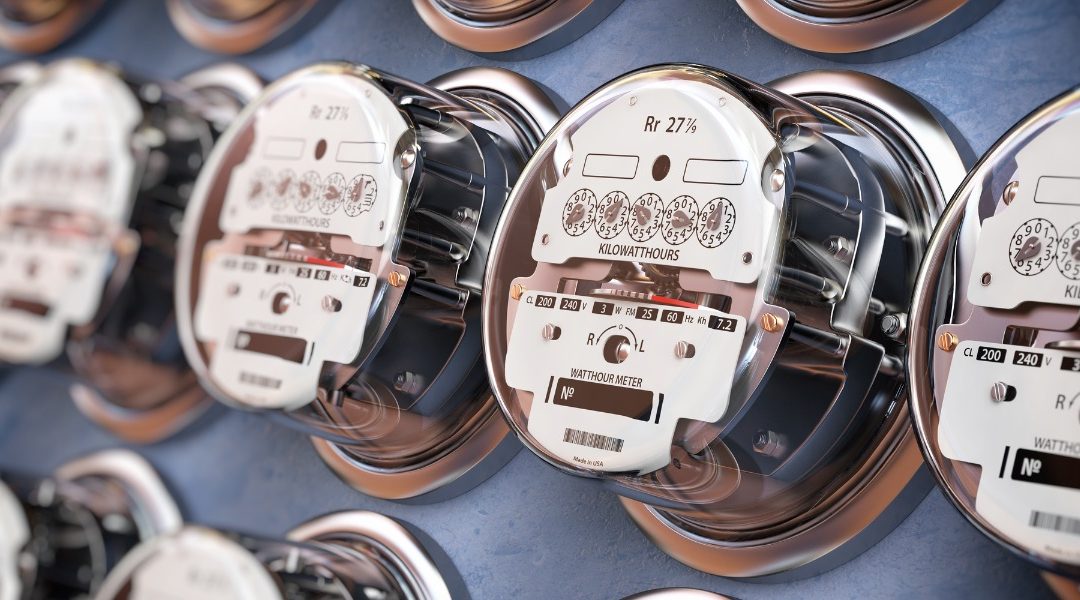
As the capital of New York State, Albany sits at the nexus of government, education, healthcare, and technology. Home to the state legislature and numerous state agencies, the city also boasts universities like the University at Albany and Rensselaer Polytechnic Institute, major hospitals, and a growing nanotechnology and semiconductor manufacturing sector anchored by facilities like the Albany NanoTech Complex. These diverse industries rely heavily on electricity to power operations, from lighting and HVAC in government office buildings to the cleanrooms and equipment used in chip fabrication. Access to reliable and affordable energy is therefore critical to Albany’s economic health. However, commercial electricity rates in New York are among the highest in the nation; according to the U.S. Energy Information Administration, the average commercial electricity price in May 2025 was around 19.25 cents per kilowatt-hour, significantly higher than the national commercial average.
New York’s Electric Deregulation and How the Market Works
New York began restructuring its electricity market in the late 1990s. Prior to deregulation, utilities like National Grid (formerly Niagara Mohawk) and Consolidated Edison were vertically integrated: they generated, transmitted, and delivered electricity and set rates approved by regulators. In 1996, the New York Public Service Commission adopted a “competitive opportunities” policy that required utilities to divest their generation assets, open access to the transmission grid, and allow customers to purchase supply from independent energy service companies (ESCOs). By 1998, most industrial and commercial customers could choose their electricity supplier, and by 2001 the option expanded to residential customers. Under this deregulated framework, the utility still delivers electricity and maintains wires and poles, but customers can contract with an ESCO to supply the power portion of their bill. The utility continues to handle billing and acts as the provider of last resort if a customer does not choose an ESCO.
This competitive structure offers several advantages. ESCOs compete to offer lower rates, renewable energy products, and customized contract terms. Many provide fixed-rate contracts, which protect businesses against volatile wholesale prices, as well as variable-rate plans for those willing to take on market risk. Some offer green power made from wind, solar, or hydro to help businesses meet sustainability goals. However, not all ESCOs are equal: terms, rates, and service levels vary widely. The Public Service Commission publishes a monthly list of ESCOs and their offers, but comparing them can be complicated. Businesses must carefully review contract terms (length, early termination fees, pass-through charges, etc.), evaluate credit requirements, and understand how supply rates interact with delivery charges.
Why Commercial Electricity Rates Matter in Albany
High electricity costs can significantly impact the bottom line, especially for energy-intensive facilities like data centers, laboratories, manufacturing plants, and large office complexes. In Albany, where many organizations rely on state budgets or operate under tight margins, every kilowatt-hour saved matters. Securing a competitive supply contract can:
- Lower operating costs: With the average New York commercial rate over 19 cents/kWh, even a small reduction can translate into thousands of dollars in annual savings.
- Provide budget predictability: Fixed-rate contracts allow businesses to lock in prices for one to three years, shielding them from price spikes caused by fuel shortages, weather events, or market disruptions.
- Support sustainability goals: Green energy plans and renewable energy certificates (RECs) enable businesses to reduce their carbon footprint and meet corporate social responsibility commitments.
- Offer customized solutions: ESCOs may bundle demand response programs, peak load management, and energy efficiency services to help clients optimize usage.
Major Suppliers and Typical Rates
A number of reputable ESCOs supply electricity in Albany. While rates change frequently based on market conditions, some examples of offers and suppliers include:
- Constellation Energy (an Exelon company): Offers fixed-rate and index plans for small and large commercial accounts. Rates in mid-2025 ranged from around 15 to 17 cents/kWh for fixed contracts, depending on load profile and term.
- Direct Energy Business (part of NRG Energy): Provides fixed and variable plans, including green energy options and load management. Sample fixed rates for medium-sized commercial customers have been quoted between 15 and 16 cents/kWh for two-year terms.
- ENGIE Resources: Focuses on customized solutions for large commercial and industrial customers, including risk management products and renewable supply. Rates typically range between 14 and 17 cents/kWh depending on contract structure and volume.
- Green Mountain Energy (owned by NRG): Specializes in 100 percent renewable electricity and carbon offset products. Customers may pay slightly higher rates (around 16–18 cents/kWh) for fully green power, but this can help meet sustainability targets.
- Shell Energy North America: Offers flexible products, including block-and-index pricing which combines fixed blocks with variable components. Pricing often lands in the mid-15-cent range.
- National Grid (utility supply): For customers who do not choose an ESCO, National Grid offers a utility default supply rate. This rate fluctuates monthly based on wholesale market clearing prices; in 2025 it averaged around 16–19 cents/kWh.
It’s important to note that these rate ranges are examples and not official quotes. Businesses should request custom proposals from multiple suppliers based on their specific usage profile.
Steps to Shop for Commercial Electricity in Albany
- Analyze your usage: Gather at least 12 months of electricity bills to understand your load profile (peak demand, usage patterns, seasonal fluctuations). This data helps suppliers produce accurate quotes.
- Define priorities: Decide what matters most—lowest price, price stability, renewable content, contract flexibility, or extra services (like energy efficiency audits).
- Solicit quotes: Contact multiple ESCOs, including some of those listed above, to request proposals. Provide them with your load data and desired contract terms.
- Compare apples to apples: Evaluate offers not just on the per-kWh rate but also on contract length, pass-through costs (capacity, transmission, ancillary services), credit requirements, and early termination fees.
- Check supplier credentials: Ensure the supplier is licensed by the New York Public Service Commission and has a good track record. Read customer reviews and ask for references.
- Negotiate and sign: Negotiate contract terms and sign the contract that best meets your needs. Consider working with an energy broker if your usage is large or complicated.
- Monitor performance: After switching, continue to monitor your bills to ensure the contracted rate is applied correctly and to track your overall savings.
Benefits Beyond Savings
While cost reduction is the primary motivator, shopping for electricity can unlock additional value:
- Budget certainty: Fixed-price contracts and structured products help align energy costs with your budgeting cycle.
- Risk management: Hedging strategies offered by suppliers can reduce exposure to wholesale price volatility.
- Sustainability: Green energy options, renewable energy certificates, and community solar subscriptions support corporate sustainability goals.
- Demand response and efficiency: Many suppliers provide demand response programs that pay customers for reducing consumption during peak events. They may also offer energy audits, retrofits, and incentives for installing high-efficiency equipment.
- Innovation: Some ESCOs bundle emerging technologies like battery storage, EV charging infrastructure, or microgrid solutions.
Sources for Current Rate Information
To stay informed on current rates and market trends:
- The New York Public Service Commission’s “Power to Choose” website lists active ESCOs and allows users to compare offers, though commercial quotes often require a formal proposal.
- The U.S. Energy Information Administration publishes monthly average price data by state and sector. The May 2025 commercial average of 19.25 cents/kWh underscores how high New York’s rates are.
- Energy marketplace platforms like EnergyBot, ChooseEnergy, or FindEnergy compile supplier offers and may provide indicative pricing.
- Industry associations such as the New York State Energy Marketers Association offer educational resources and news on regulatory developments.
Industry Spotlights
Albany’s economy is diverse, and energy procurement strategies can differ by sector:
- Government and public services: State offices and municipal facilities need reliable power to serve constituents. Locking in predictable rates helps manage taxpayer-funded budgets.
- Higher education and research: Universities and research labs, including those at SUNY Albany and RPI, have high electricity demands for computing clusters, laboratories, and student housing. Green energy contracts align with institutional sustainability commitments.
- Nanotech and advanced manufacturing: Albany is a hub for semiconductor research, with the Albany NanoTech Complex hosting global companies. Cleanroom environments require consistent power quality and redundancy; suppliers that offer power quality guarantees and demand response programs can help mitigate risk.
- Healthcare: Hospitals and medical centers rely on continuous power for life-saving equipment. They may need contracts that provide backup generation options and early renewal provisions.
- Hospitality and tourism: Hotels, restaurants, and event venues along the Empire State Plaza rely on electricity for lighting, climate control, and kitchen equipment. Competitive contracts support profitability in a seasonal business.
Regulatory Considerations
When comparing offers, businesses should understand the regulatory environment:
- Delivery charges remain regulated: Even with an ESCO contract, National Grid continues to bill delivery charges (distribution, transmission, system benefits, and capacity). These rates are approved by the Public Service Commission and separate from supply costs.
- Capacity and ICAP charges: New York’s capacity market ensures there is enough generation to meet peak demand. Capacity charges are typically passed through by ESCOs and can vary by region (Albany is in the NYISO Zone F or G). Ask suppliers how they handle these charges.
- Renewable Portfolio Standard (RPS): New York has aggressive clean energy goals through its Climate Leadership and Community Protection Act, requiring 70 percent renewable electricity by 2030 and 100 percent zero-emission electricity by 2040. ESCOs must purchase renewable energy certificates to meet these obligations; this cost may be included in rates.
- Sales tax exemptions: Some manufacturing and R&D facilities may qualify for state or local tax exemptions on energy; check with your tax advisor.
- Community Choice Aggregation (CCA): Certain municipalities may implement CCA programs that aggregate residents and small businesses to purchase power collectively. Albany has explored such programs; check if you are eligible.
Emerging Trends and Opportunities
The energy market is evolving quickly, offering new options for businesses:
- Community solar: Businesses can subscribe to local solar farms and receive credits on their utility bills. This is a way to support renewable generation without installing panels on-site.
- Offshore wind: New York is developing large offshore wind projects that will come online in the late 2020s; these will provide more renewable supply and could influence future rates.
- Energy storage and microgrids: Battery systems can help manage peak demand and serve as backup power. Some suppliers offer integrated storage or microgrid projects, especially for critical facilities.
- Electric vehicles (EVs): As fleets electrify, businesses may need to install EV charging stations. Some suppliers bundle electricity supply with EV charging solutions.
- Digital platforms: Data analytics tools and real-time pricing dashboards help businesses track usage and optimize procurement strategies.
Case Study: Albany Brewery Reduces Costs through a Competitive Contract
Consider a mid-sized craft brewery in Albany that produces a range of beers and operates a taproom. With high refrigeration needs, brewing equipment, and hospitality operations, electricity is a major expense. The brewery previously paid the default utility rate, which fluctuated monthly. By comparing offers from multiple suppliers and working with an energy broker, the brewery secured a 24-month fixed-rate contract at 15.2 cents/kWh, about four cents below its previous average. This translated to annual savings of nearly $9,000. The supplier also provided access to a demand response program, generating additional revenue during peak events. These savings allowed the brewery to reinvest in equipment upgrades and marketing.
Conclusion
Electricity costs are a significant concern for businesses in Albany, particularly given New York’s high commercial rates averaging around 19.25 cents per kWh. The state’s deregulated energy market, established in the late 1990s, provides opportunities for businesses to shop around and secure competitive rates. By understanding how deregulation works, comparing offers from reputable suppliers, and considering factors beyond price—such as contract terms, sustainability, and value-added services—Albany businesses can reduce operating costs, stabilize budgets, and support broader goals like environmental responsibility. As New York continues to pursue ambitious renewable energy targets and invest in emerging technologies, the supply landscape will evolve, creating new opportunities for cost savings and innovation. To learn more about statewide trends and additional resources, visit our New York commercial electricity and natural gas page for detailed information and links to deregulated suppliers.