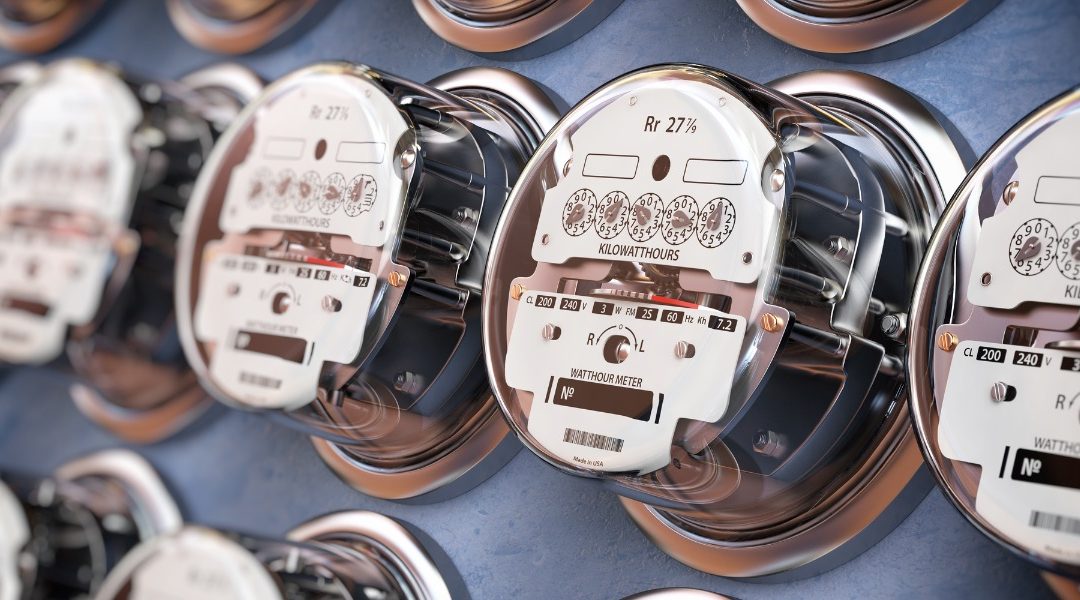
Boston’s economy thrives on energy. Home to world-class universities, hospitals, financial institutions, biotech labs, and a growing tech sector, the city’s offices, laboratories, manufacturing floors, and data centers all require a steady supply of electricity. In a region where energy costs are among the highest in the country, controlling electricity expenses is more than an operational detail—it’s a strategic necessity. Massachusetts deregulated its electricity market in the late 1990s, giving commercial customers in Boston the ability to shop for generation suppliers rather than rely solely on their utility’s basic service rate. However, many firms still don’t take full advantage of this freedom. This comprehensive guide explains how deregulation works, why competitive rates matter, and what Boston businesses can do to secure better contracts and reduce their electricity bills.
Massachusetts’ Electric Restructuring and How the Market Works
The Commonwealth passed the Electric Restructuring Act in 1997, unbundling generation from distribution and ushering in an era of retail choice. Starting March 1, 1998, customers of Eversource, National Grid and Unitil (the state’s major distribution utilities) could choose a competitive supplier for the generation portion of their bills. Distribution and transmission remained regulated by the Department of Public Utilities (DPU), so regardless of whom you buy your electricity from, the wires company continues to deliver power and handle outages.
Under this system, a commercial electric bill is divided into:
- Supply charges, which cover the cost of generating or procuring electricity. These charges are paid to either the utility under its basic service program or to a third-party supplier through a contract. Suppliers may offer fixed-rate contracts, where you pay a set cents-per-kilowatt-hour rate for the term, or variable products tied to wholesale markets or index pricing.
- Delivery charges, which include transmission, distribution and various surcharges. The utility remains responsible for these charges even if you select an alternative supplier. Massachusetts utilities file delivery rate cases regularly with the DPU; these charges are largely non-negotiable.
Massachusetts has some of the highest energy prices in the U.S. According to the August 2025 update from EnergyBot, the average Massachusetts commercial electricity rate is about 21.72 cents per kilowatt-hour, which is 59% higher than the national average【704230746218078†screenshot】. Because generation supply makes up roughly half of a typical bill, shopping for competitive rates can substantially lower your overall cost. EnergyBot’s rate table for Massachusetts shows that as of August 29, 2025, six-month contracts averaged 12.37¢/kWh with low offers around 10.87¢, while 12‑, 24‑ and 36‑month contracts averaged between 11.78¢ and 11.83¢/kWh with lows around 9.99¢【704230746218078†screenshot】. These figures, though not official quotes, illustrate the spread between default service and competitively priced contracts.
Massachusetts utilities procure basic service supply through periodic auctions. Eversource and National Grid update their commercial basic service rates twice a year. Because procurement happens on a schedule, basic service prices can be volatile and spike during periods of high wholesale costs. Competitive suppliers, by contrast, can buy power strategically and lock in fixed rates when market prices are favorable.
Why Boston Businesses Should Shop for Competitive Electricity Rates
Electricity spending is one of the largest controllable costs for many organizations. Even modest reductions in per-kilowatt-hour rates can translate into thousands or hundreds of thousands of dollars saved annually. Here’s why Boston-area firms should actively shop the market:
- Lower overhead costs – A difference of just one cent per kilowatt-hour can amount to $10,000 in annual savings for a company that uses one million kWh per year. With Massachusetts commercial rates hovering above 21¢/kWh【704230746218078†screenshot】, the savings from moving to a 10–12¢ supplier contract are significant.
- Protection from volatility – Basic service rates adjust every 6 months, often spiking during winter when natural gas demand for heating increases. Fixed-rate contracts shield your budget from these swings. For example, a Boston biotech firm that signed a 24‑month fixed contract at 11.2¢/kWh avoided a winter rate spike that drove the utility’s basic service above 25¢/kWh.
- Customization and renewable options – Competitive suppliers offer 100% renewable products, blended renewable portfolios and carbon offset options. This allows companies to align electricity purchasing with ESG commitments, a major differentiator in Boston’s sustainability-minded market.
- Value-added services – Many suppliers bundle energy efficiency consulting, demand response participation, real-time usage monitoring and bill management tools. These services can unlock further savings and operational insights.
Major Commercial Electricity Suppliers Serving Boston
Numerous retail providers are licensed by the DPU to serve the Commonwealth. While offerings change frequently, the following suppliers are active in Massachusetts and often market to commercial accounts in Boston:
- Constellation – A leading national supplier with a strong presence in New England, Constellation offers fixed and index products as well as renewable energy certificates (RECs). Small and medium‑sized businesses in Massachusetts can secure 12‑ and 24‑month contracts with Constellation at rates in the low‑to‑mid 10¢/kWh range depending on usage and credit.
- Direct Energy Business – Part of NRG, Direct Energy provides fixed, index and block-and-index products. The company’s commercial rates are competitive for terms between 12 and 36 months and it actively promotes 100% renewable contracts.
- ENGIE Resources – As a subsidiary of the French energy giant ENGIE, this supplier offers flexible term lengths (6–36 months), green energy options and load response programs. ENGIE often structures contracts to incorporate wholesale cost pass-through components for large industrial customers.
- Dynegy / Vistra Energy – Dynegy supplies fixed-rate electricity and is often among the lowest quoted suppliers for 12‑month terms in Massachusetts. Its parent company Vistra’s renewable energy generation assets support green energy offerings.
- NextEra Energy Services – NextEra focuses on renewable and carbon-neutral power and can package solar and wind RECs into your supply contract. It is particularly attractive for organizations with sustainability goals.
- Energy Harbor and AEP Energy – These suppliers sometimes offer competitive fixed-rate products in the Commonwealth, particularly for longer terms.
- Local aggregators – In addition to individual suppliers, many cities and towns in Greater Boston have municipal aggregation programs that negotiate supply rates on behalf of residents and small businesses. While most aggregations target residential customers, some, such as Boston’s Community Choice Electricity program, allow small commercial accounts to enroll.
When evaluating suppliers, always request custom quotes based on your annual usage and peak demand profile. Rates advertised online (e.g., 10.87¢ for a 6‑month term【704230746218078†screenshot】) are typically for small usage levels and may not include transmission or capacity pass-through charges.
Steps to Shop for Commercial Electricity in Boston
- Gather usage data – Obtain at least 12 months of electricity bills to analyze your total kWh consumption, monthly demand peaks and load factor. Your supplier will use this information to price your contract.
- Determine priorities – Decide whether price stability, sustainability, budget certainty or flexibility is most important. Fixed-rate contracts provide certainty; variable or indexed products may offer lower prices but expose you to market risk. Renewable options may carry a slight premium but support corporate responsibility goals.
- Request quotes from multiple suppliers – Approach several licensed suppliers or work with an experienced energy broker. Provide them your usage profile and desired term length to obtain comparative offers. Ask for both all-in fixed rates and pass-through proposals.
- Examine contract terms – Beyond the rate per kWh, review early termination fees, credit requirements, swing tolerances (energy volume flexibility), renewable content, and whether capacity and transmission charges are included or passed through. Some suppliers offer “block and index” products where a portion of your load is hedged at a fixed price and the remainder floats with the market.
- Consider timing – Electricity futures prices fluctuate seasonally and daily. Locking in a rate in the spring or fall when demand is moderate can result in lower prices than signing during winter or summer peaks. Monitor market conditions or work with an advisor to time your contract.
- Review the supplier’s financial health – Choose a supplier with a strong balance sheet and good credit rating. The New England Forward Capacity Market requires suppliers to post financial security; ensure your provider can meet these obligations.
Benefits Beyond Savings
Procuring electricity competitively isn’t just about chasing the lowest price. Businesses that actively manage their electricity supply can:
- Improve budget predictability by locking in rates for up to three years, enabling accurate forecasting and smoother cash flow.
- Access sustainability programs such as renewable energy certificates, carbon offsets or direct investment in local solar and wind projects. Green power purchasing supports Massachusetts’ decarbonization goals and can enhance your brand.
- Take advantage of demand response and peak-shaving incentives that reward customers for reducing usage during times of grid stress. Participating in ISO New England’s demand response program can yield capacity payments.
- Leverage data analytics – Some suppliers provide real-time energy monitoring platforms that help identify waste, optimize operations and plan capital improvements.
- Enhance resilience by bundling supply contracts with microgrid development, onsite generation or battery storage options.
Where to Find Current Rates and Market Information
The Massachusetts Department of Public Utilities licenses competitive suppliers and oversees consumer protections. The DPU website lists all authorized suppliers and brokers and provides guidance on comparing offers. For rate data, the Department of Energy Resources publishes a Basic Service information sheet that details upcoming changes to Eversource and National Grid rates.
Several commercial marketplaces compile live rate offers. EnergyBot’s Massachusetts rate page, updated August 29, 2025, shows a spread of supply rates from about 9.99¢ to 12.37¢ for terms between 6 and 36 months【704230746218078†screenshot】. While these are indicative, they illustrate the potential savings relative to the average commercial rate of 21.72¢/kWh【704230746218078†screenshot】. Other sites like Choose Energy and SaveOnEnergy also provide comparisons.
Boston businesses can also join local chambers of commerce or industry associations that negotiate group purchasing arrangements. For example, the Massachusetts Biotechnology Council periodically issues RFPs for member electricity supply, leveraging aggregated volume for better pricing.
Industry Spotlights
Financial Services and Technology: Downtown Boston is a global finance hub. Large trading floors, data centers and fintech companies require reliable power 24/7. Many firms also operate mission-critical disaster recovery sites on the city’s outskirts. Competitive contracts with price certainty and access to renewable power can help manage budgets and align with ESG reporting requirements. A regional investment bank recently saved 15% on its electricity spend by signing a 24‑month fixed-rate contract and participating in a peak-demand curtailment program.
Education and Healthcare: Harvard University, MIT, Boston University, Massachusetts General Hospital and dozens of other institutions are among the city’s largest electricity consumers. Hospitals have strict reliability requirements for critical equipment and laboratories run energy-intensive HVAC and research equipment. By aggregating multiple meters under a master supply contract, these institutions secure volume discounts and access to 100% renewable electricity, supporting their climate pledges.
Hospitality and Tourism: Boston’s hotels, convention centers and restaurants operate long hours and have high lighting, HVAC and cooking loads. Competitive supply contracts help maintain profitability, particularly in an industry with tight margins. Many hospitality businesses in the Seaport District have adopted green power to appeal to sustainability-conscious travelers.
Manufacturing and Food Processing: While heavy industry represents a smaller share of Boston’s economy compared with Springfield or the Merrimack Valley, the city hosts advanced manufacturing in medical devices, electronics and craft food and beverage. These facilities benefit from customized supply products like block and index pricing, which hedge base load at a fixed price while allowing for flexible volumes during production peaks.
Regulatory Considerations and Local Programs
Even with retail choice, Massachusetts businesses must still pay regulated delivery and capacity charges. The DPU and ISO New England update capacity and transmission rates annually, and charges such as the Renewable Portfolio Standard (RPS), Clean Energy Standard (CES) and Solar Massachusetts Renewable Target (SMART) program incentives are embedded in the supply price. Suppliers pass through these compliance costs, so comparing proposals on an apples‑to‑apples basis is vital.
Large customers (over 200 kW peak demand) may be required to purchase capacity obligations separately or may benefit from installing interval meters to take part in ISO‑NE’s real-time market. Massachusetts also offers incentives for installing behind-the-meter solar and battery storage through the SMART program, and the Department of Energy Resources is piloting a Clean Peak Standard that will reward resources that supply electricity during peak hours.
Emerging Trends and Opportunities
The Commonwealth is investing heavily in offshore wind. Projects like Vineyard Wind 1 (800 MW), Commonwealth Wind (1,200 MW) and Mayflower Wind (804 MW) will deliver gigawatts of carbon-free electricity to the regional grid over the next decade. As these projects come online, competitive suppliers may offer contracts linked to specific wind farms, providing price stability and environmental benefits.
Community solar and virtual net metering are growing in Massachusetts, allowing businesses that can’t host solar panels to subscribe to offsite arrays and receive bill credits. Battery storage is being deployed both behind the meter and at utility scale to manage demand charges and participate in ISO‑NE’s wholesale market. Time-of-use rates and hourly pricing options may become more common, rewarding customers who can shift consumption to off-peak periods.
Massachusetts regulators have also explored whether retail electric choice should continue. The Attorney General’s office released reports noting that some residential customers pay more under competitive supply. While commercial and industrial customers generally realize savings, staying informed about policy proposals ensures your procurement strategy remains advantageous.
Conclusion
Boston is a powerhouse of innovation and commerce, but its businesses pay some of the highest electricity rates in the United States. The state’s deregulated market gives firms the freedom to choose their supplier, lock in long-term contracts and access renewable energy. By understanding how Massachusetts’ electric restructuring works and actively shopping for competitive rates, companies can significantly reduce overhead costs, mitigate price volatility and advance sustainability goals. Whether you run a biotech lab in Kendall Square, manage a downtown hotel or operate a manufacturing facility in Dorchester, taking control of your electricity supply is a smart business move. For more statewide resources, including supplier lists and current basic service rates, visit our Massachusetts commercial electricity and natural gas page.