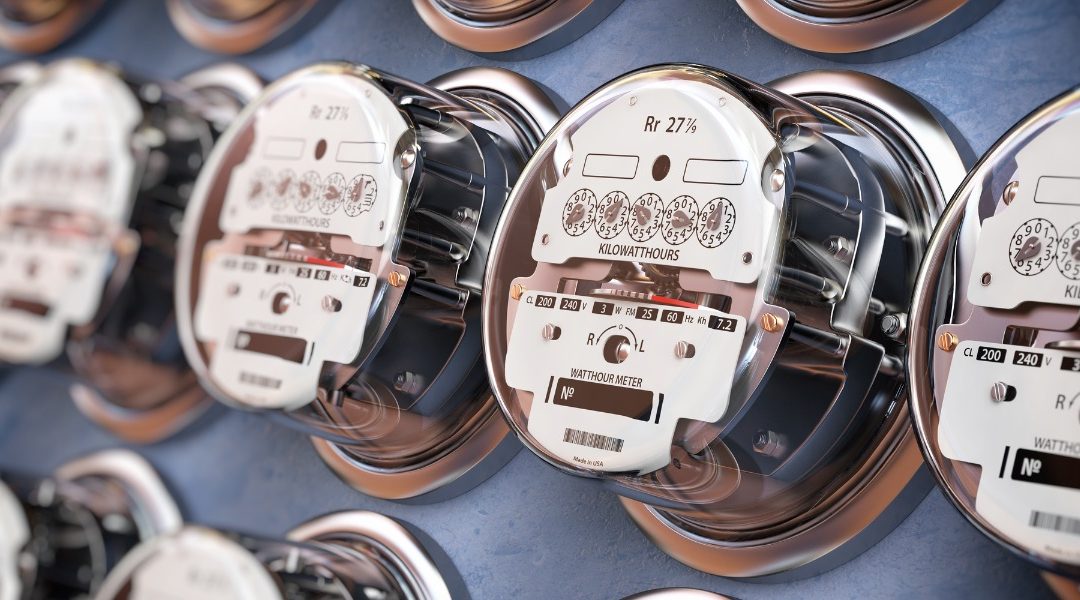
New York has allowed retail electricity choice since the late 1990s, and its natural gas markets are also deregulated. Deregulation means commercial customers are no longer tied to a single utility for supply; they can shop for competitive offers from Energy Service Companies (ESCOs) to lock in low fixed prices per kilowatt‑hour or therm. The state’s utilities still maintain the distribution lines and deliver energy, but businesses can choose who supplies the commodity.
Compare New York Commercial Energy Suppliers – Click Here
- Shop for competitive electricity supply offers from ESCOs to find the lowest kWh price.
- Lock in long‑term fixed electricity rates to protect your business from price spikes.
- Compare natural gas supply offers for competitive per‑therm pricing.
- Review contract terms, including length, pass‑through charges and termination fees.
New York is one of several states with deregulated electricity and natural gas markets; this gives businesses the power to choose their supplier. By comparing offers and locking in a low rate, companies can manage energy costs and achieve budget certainty.

What Determines Commercial Energy Rates in New York?
In New York’s deregulated energy market, commercial electricity rates vary depending on the utility territory, delivery and capacity charges, and overall supply-demand conditions. Weather-driven demand spikes in winter and summer can influence wholesale prices, and the type of contract you choose—fixed, variable, or hybrid—affects your unit price and risk exposure. It’s also important to consider your company’s load profile because demand charges and time-of-use rates may apply based on when you consume power.
How to Secure Competitive Energy Rates
To secure competitive energy rates for your business, start by understanding your load profile—how much electricity you use and when. Use your utility bills to estimate annual kWh usage and peak demand, then request quotes from multiple suppliers. Compare fixed-rate plans with variable or index-based pricing to determine which aligns with your risk tolerance, and pay close attention to contract terms such as pass-through charges, bandwidth allowances, and cancellation penalties. Consider working with a licensed energy broker or consultant who can negotiate on your behalf and help you identify incentives or demand-response programs that lower costs.
Finding Commercial Energy Suppliers
New York’s deregulated market allows businesses to select from a variety of energy service companies (ESCOs). When choosing a supplier, research the company’s reputation and ensure it is authorized by the New York Public Service Commission. Use comparison websites or consult a broker to review prices, contract terms, and customer reviews. Evaluate whether you need a fixed-rate plan for price stability or an index-based plan tied to market prices. Look for transparent pricing with clearly stated delivery charges, capacity charges, and pass-through fees. Working with a licensed energy advisor can help you navigate contract details and take advantage of incentive programs or renewable energy options.
Tips for Managing Energy Costs
- Schedule regular energy audits to identify inefficiencies and prioritize upgrades.
- Invest in energy-efficient lighting, HVAC systems, and machinery to reduce consumption.
- Participate in demand-response programs to shift usage away from peak periods and earn incentives.
- Implement energy management systems that monitor usage and optimize equipment operation.
- Encourage employee awareness and training around energy conservation practices.
- Explore on-site generation like solar panels or combined heat and power to offset grid usage.